Tailored high-efficiency air logistics routes optimized for regional transit requirements, import compliance, and priority clearance.

Equatorial Guinea, located on the west coast of Central Africa, boasts one of the highest per-capita GDPs in sub-Saharan Africa, driven primarily by its rich oil, gas, and hydrocarbon reserves. The nation is structured around two major hubs: the insular region containing the capital city, Malabo (Bioko Island), and the continental region centered around the economic and industrial capital, Bata. As the nation actively pursues economic diversification under its national development program, Horizon 2035, the demand for import modernization has shifted from simple consumer goods to high-value industrial machinery, telecommunications hardware, medical equipment, and precise oil and gas exploration tools.
Because Equatorial Guinea is geo-graphically split between the mainland and islands, internal and external logistics heavily rely on air transport networks. Critical marine logistics and offshore drilling programs demand zero-downtime operations. When a drilling component or a pipeline fitting fails offshore in the Gulf of Guinea, shipping replacement parts via traditional ocean freight (taking 45 to 60 days) is economically catastrophic. This creates a critical, high-intent demand for secure, scheduled, and chartered mainline air freight transportation that can deliver cargo from international manufacturing hubs directly to Malabo International Airport (SSG) and Bata Airport (BSG) with robust customs brokerage support.
Expert SEO Insight: Importers in Equatorial Guinea struggle with customs clearance speed, documentation discrepancies under CEMAC regulations, and transshipment delays in regional West African hubs. Optimizing air freight entails implementing robust end-to-end trace systems and specialized customs handling.
The global air freight sector is undergoing a massive digitalization paradigm shift. In response, LoJo Logistics utilizes next-generation logistics management suites to address the historical opacity of African logistics networks. Our technical architecture is designed around real-time visibility, automated customs filing, and carbon-optimized flight path scheduling.
Continuous monitoring of temperature, humidity, and location for perishables and sensitive medical cargo bound for Malabo.
Predictive modeling bypasses congestion hubs like Paris-Charles de Gaulle or Madrid-Barajas during peak periods.
100% paperless Air Waybills (e-AWB) matching the newest IATA standards, expediting customs review prior to takeoff.
Navigating Central African commerce requires custom cargo setups. Standard flights often face volume limitations. By partnering with major global air carriers (such as Ethiopian Airlines, Turkish Cargo, and Air France Cargo), we guarantee structural allocations for heavy out-of-gauge machinery and dangerous cargo (Class 9 Lithium-ion batteries). Our multi-modal ocean-air integration strategy allows budget-conscious enterprises to ship heavier bulk cargo via sea to transshipment hubs like Douala (Cameroon) or Libreville (Gabon) before utilizing regional feeder aircraft to rapidly access Bioko Island and continental Guinea.
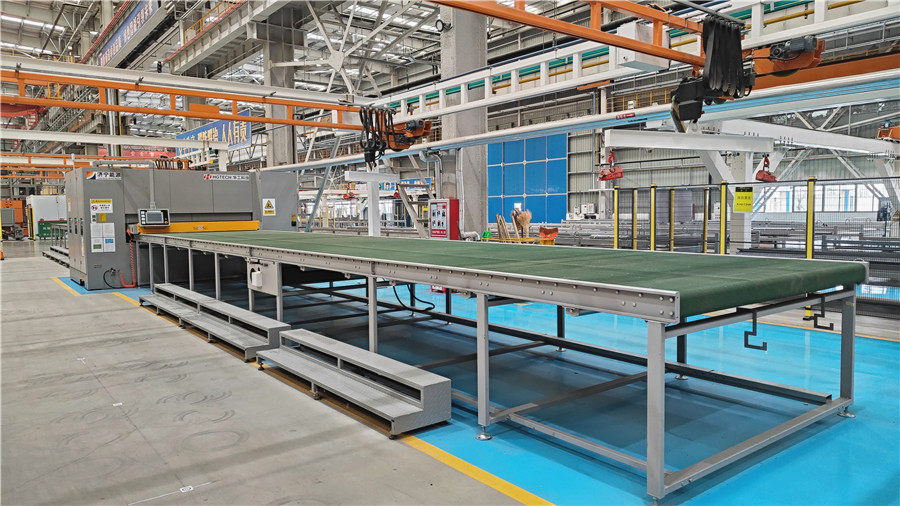
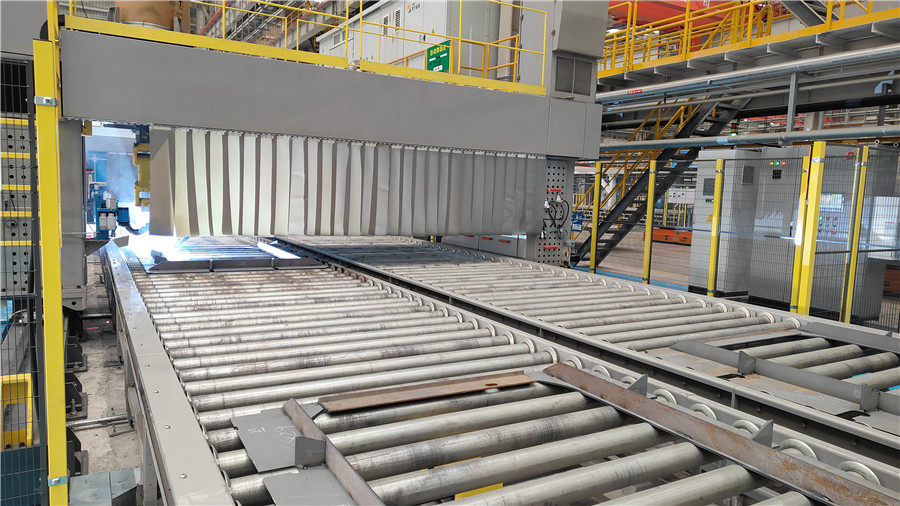
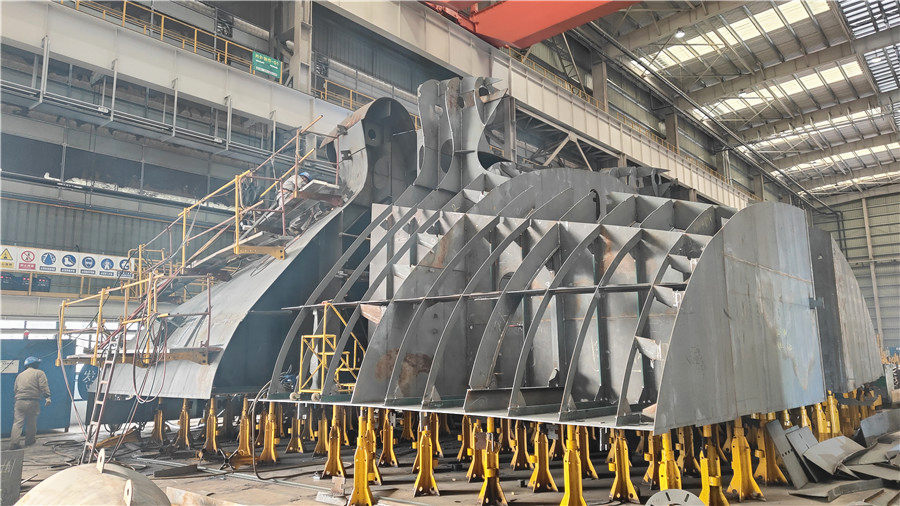
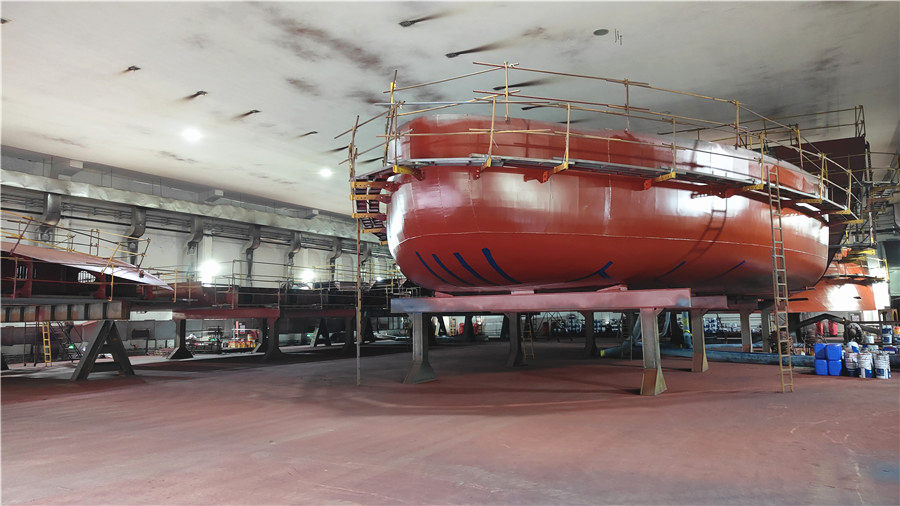
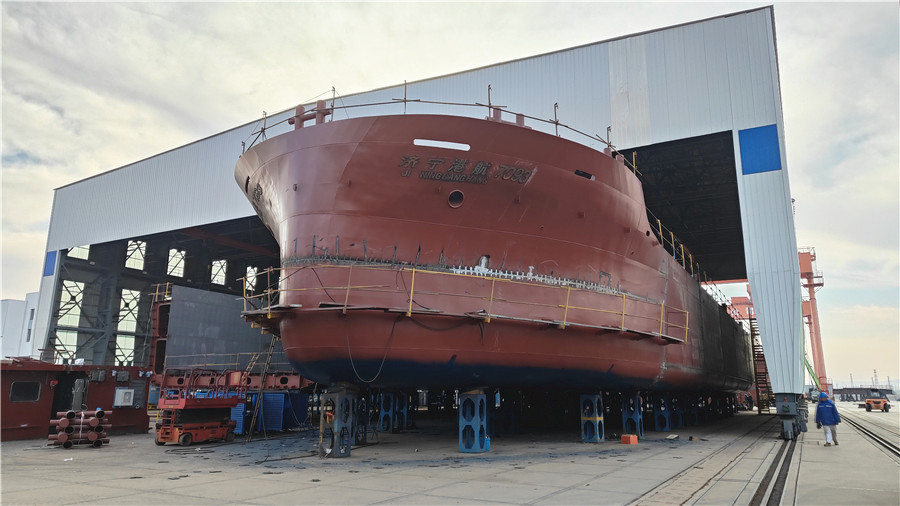
Our state-of-the-art facilities in Shenzhen combine modern component fabrication with world-class logistics infrastructure, ensuring all mechanical elements, aviation pipelines, and project goods meet international standards before transit.



Equatorial Guinea is a member state of the Central African Economic and Monetary Community (CEMAC). Consequently, importing goods into the country requires adherence to regional tariff rules and harmonized system (HS) customs codes. At LoJo Logistics, our localized agent network operates directly out of the airports of Malabo and Bata, ensuring that all regional constraints are proactively managed before the aircraft lands.
| Required Certificate / Document | Issuing / Regulating Body | Logistics Purpose & Impact |
|---|---|---|
| SGS Verification of Conformity (VoC) | SGS / Ministry of Commerce | Ensures imported industrial and consumer goods meet national standards. Prevents customs rejection at the airport. |
| Import License (Guía de Importación) | Ministry of Mines, Industry and Energy | Mandatory clearance pre-approval for chemical, industrial, and heavy mechanical materials. |
| CEMAC Common External Tariff (TEC) | Customs Administration | Determines the applicable import duty rate based on exact HS code classifications. |
| International Air Waybill (AWB) | IATA / Carrying Airline | The primary contract of carriage; must precisely match commercial invoice descriptions. |
Common issues like undervalued declarations or incorrect HS code applications can lead to severe fines, cargo confiscation, or extended delays at Malabo Airport. To mitigate this, our logistics specialists execute pre-shipment documentation audits. We verify that every commercial invoice, packing list, certificate of origin, and inspection document is perfectly aligned. Furthermore, we handle cargo classification for complex products, including advanced polymer pipelines, pneumatic tubing, or specialized LED components, preventing classification errors at the border.
Are you still worried about lost cargo, delayed deliveries, or rising logistics costs while expanding your international trade with China? The smart solution is choosing a reliable China freight forwarding partner.
Shenzhen LoJo Logistics Co., Ltd. is a professional international freight forwarding company dedicated to providing efficient, secure, and cost-effective logistics solutions for global importers and exporters. With years of experience in the logistics and supply chain industry, we help businesses simplify international shipping and improve transportation efficiency.
At LoJo Logistics, we believe that logistics is more than simply moving cargo — it is about delivering reliability, transparency, and peace of mind. Our team is committed to offering full-process logistics support, ensuring that every shipment is handled professionally from pickup to final delivery. Whether you are shipping high-value manufacturing equipment, complex electrical components, or industrial pipelines, we coordinate the entire chain so you can focus on core operations.
Professional Experience: Our experienced logistics team understands the complexities of international trade, global aviation restrictions, and regional African compliance frameworks. We minimize delays and lower transportation costs through expert planning.
Strong China Local Resources: Headquartered in Shenzhen, a major manufacturing and export powerhouse, we maintain direct relationships with major airlines, ocean liners, customs authorities, and local drayage companies. This enables us to secure space even during peak seasons.
Competitive Freight Rates: By leveraging high volume commitments, we pass substantial cost savings directly to our global enterprise clients.
Our Mission: To provide worry-free international logistics services while helping customers improve efficiency, reduce costs, and grow their global business successfully. We integrate, you communicate. We deliver better, so you gain more.
Explore our full range of logistics routes, customized shipping setups, and industrial-grade aviation manufacturing supplies.



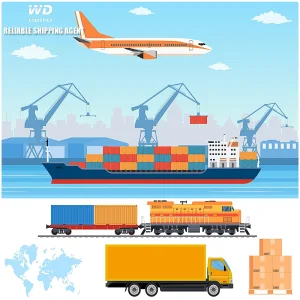
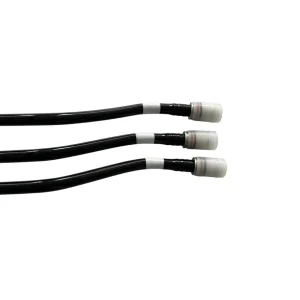
Clear, definitive answers to help businesses streamline cargo operations from China to Equatorial Guinea.
Typical transit times range between 5 and 9 business days depending on the routing. Since there are no direct cargo flights from mainland China to Equatorial Guinea, routing generally transits through Middle Eastern hubs (like Dubai or Doha), European gateways (like Madrid or Paris), or major African freight hubs (like Addis Ababa). Economy routing takes 8 to 11 days, while priority express ranges from 4 to 6 days.
Yes. We offer fully integrated DDP (Delivered Duty Paid) services. This means LoJo Logistics handles all export processes in China, international air transport, import customs clearance in Malabo or Bata, local CEMAC tariff payments, and final door-to-door delivery. Importers are spared the need to coordinate with local customs brokers or deal with import documentation directly.
To ensure smooth clearance under CEMAC guidelines, you need: 1. A Commercial Invoice detailing product descriptions and values. 2. A Packing List. 3. An Air Waybill (AWB). 4. A SGS Verification of Conformity (VoC) certificate. 5. A local Import License (Guía de Importación). LoJo Logistics assists in auditing and compiling all documentation before cargo dispatch to avoid administrative delays.
Yes. Our team is fully trained and certified under IATA Dangerous Goods Regulations (DGR). We handle sensitive commodities, including lithium battery installations (UN3480/UN3481), liquids, industrial powders, and magnetic items. We ensure specialized packaging, proper labeling, and accurate Dangerous Goods Declarations (DGD) for transport to Central Africa.
Air freight rates are calculated based on the "Chargeable Weight," which is the higher value between the actual gross weight and the volumetric weight. The volumetric weight formula is: length (cm) × width (cm) × height (cm) / 6000. For large, heavy machinery components, we evaluate weight distribution constraints and aircraft load factors to secure the most cost-effective rates.
 LoJo Logistics