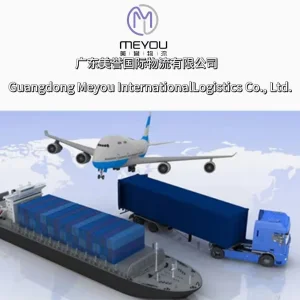
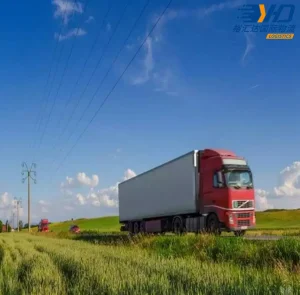
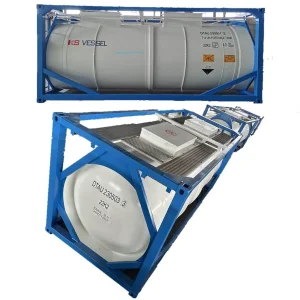
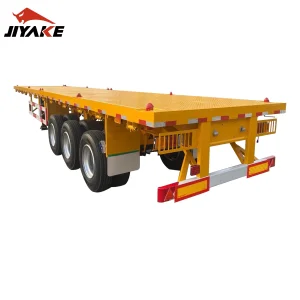
Explore our foundational industrial hardware, logistics routing options, and specialized heavy-duty transport vehicles engineered for seamless global connectivity.
In the modern global supply chain network, the optimization of overland and multi-modal logistics plays a critical role in controlling costs, securing product integrity, and mitigating shipment delays. For enterprises managing imports and exports involving Chinese manufacturing hubs, selecting a strategic freight forwarding and vehicle integration partner is a fundamental operational decision.
Shenzhen LoJo Logistics Co., Ltd. stands as a premier international freight forwarding partner and supply chain service operator. Operating from Shenzhen, one of the primary commercial logistics hubs of southern China, we design and execute resilient, cost-effective cross-border freight corridors. Our operational model combines direct asset-based management, relationships with leading ocean and air carriers, and an integrated supply chain that links high-quality Chinese heavy vehicle manufacturers with global engineering markets.
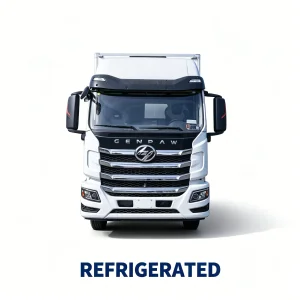
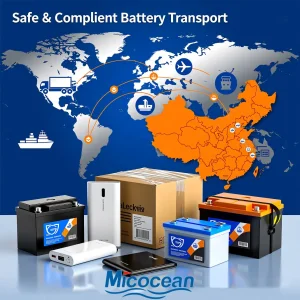
"We integrate, you communicate. We deliver better, so you gain more." Our systematic approach guarantees that your cargo—whether Class 9 hazard batteries, custom container chassis, or refrigerated food fleets—arrives securely, on time, and completely compliant with international customs frameworks.
Every commercial sector demands distinct logistics strategies. We engineer custom transport flows mapped to cargo classifications, timelines, target budgets, and local destination regulations.
Utilizing local port assets and established relations with customs agents, warehousing complexes, and truck fleets, we navigate structural trade complexities seamlessly.
Through space consolidation, optimized packing solutions, and preferential freight contracts with primary maritime carriers, we lower your total cost of ownership (TCO).
Behind every reliable logistics flow is the hardware that powers it. The structural integrity of semi-trailers, cargo storage units, ISO chemical tanks, and pneumatic systems dictates the baseline safety of transcontinental transport. China's manufacturing sector has transitioned from traditional assembly lines into integrated Industry 4.0 ecosystems, driven by precision engineering, computerized numerical control (CNC) systems, and automated testing rigs.
Through our logistics and equipment division, we source and monitor structural hardware built under rigorous manufacturing standards. Below is the step-by-step technological process applied by our verified manufacturing facilities in China:
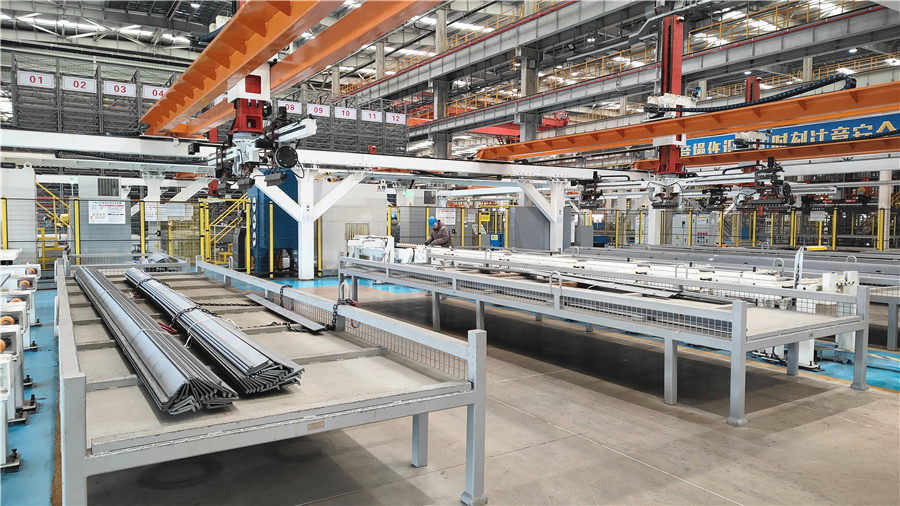
CNC fiber laser cutters for high-precision metal sheets.
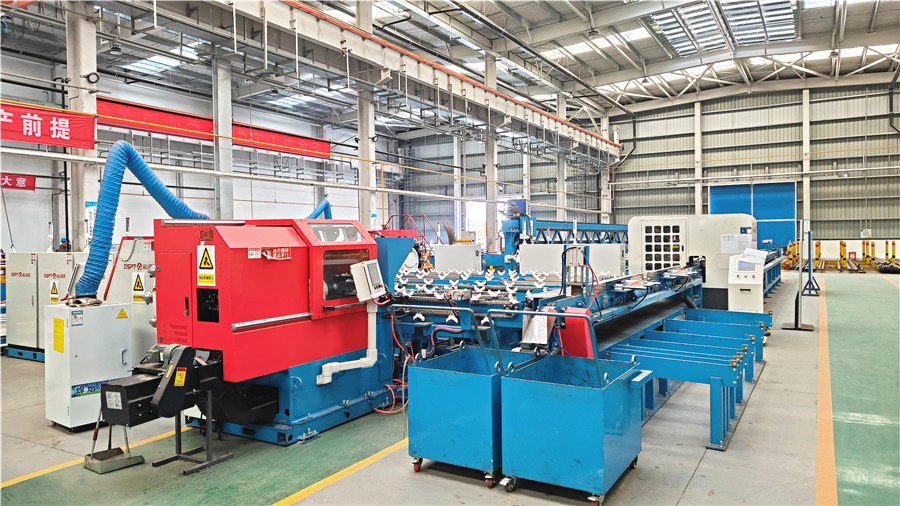
Precision automated tube slicing ensuring uniform alignment.
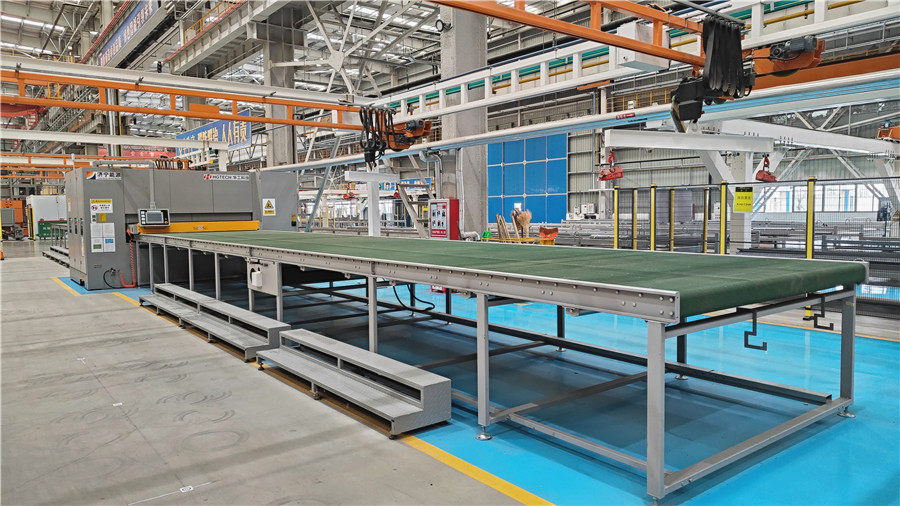
Surface finishing for optimal material adhesion and rust prevention.
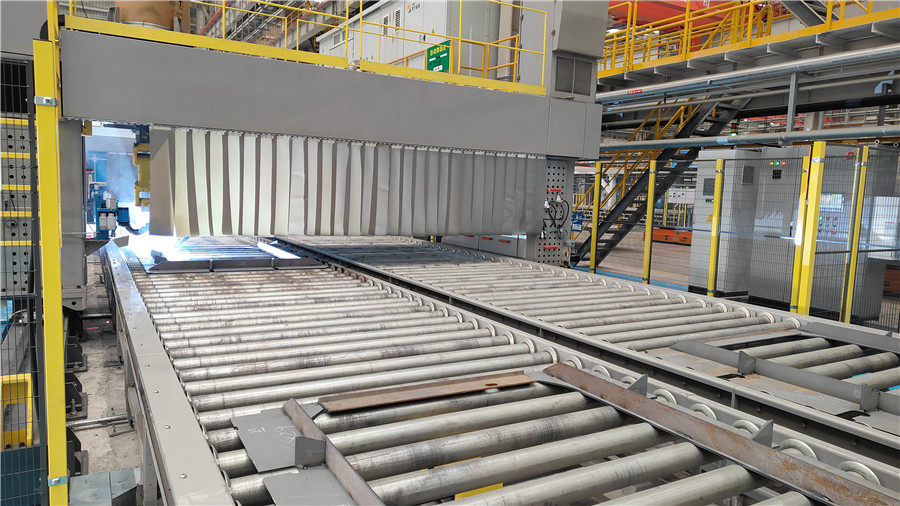
High-strength structural welding for chassis crossmembers.
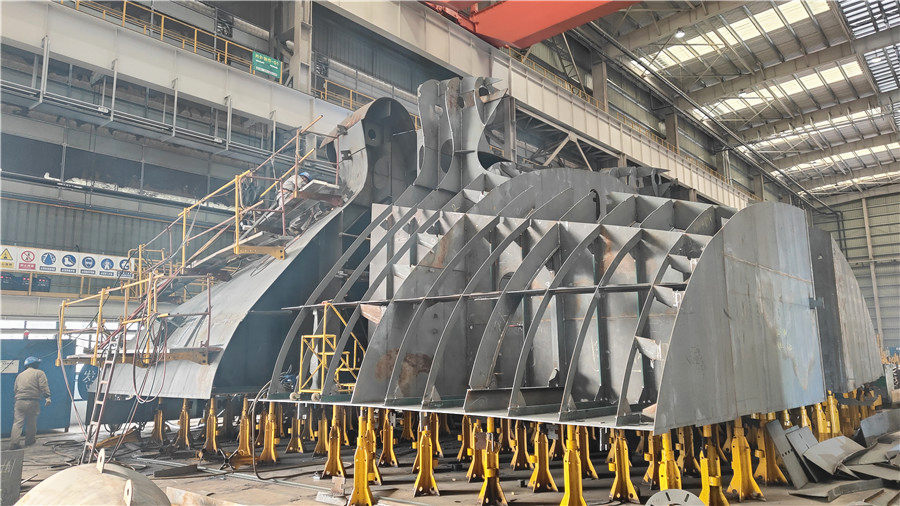
Multi-axis positioning jigs for structural reinforcement.
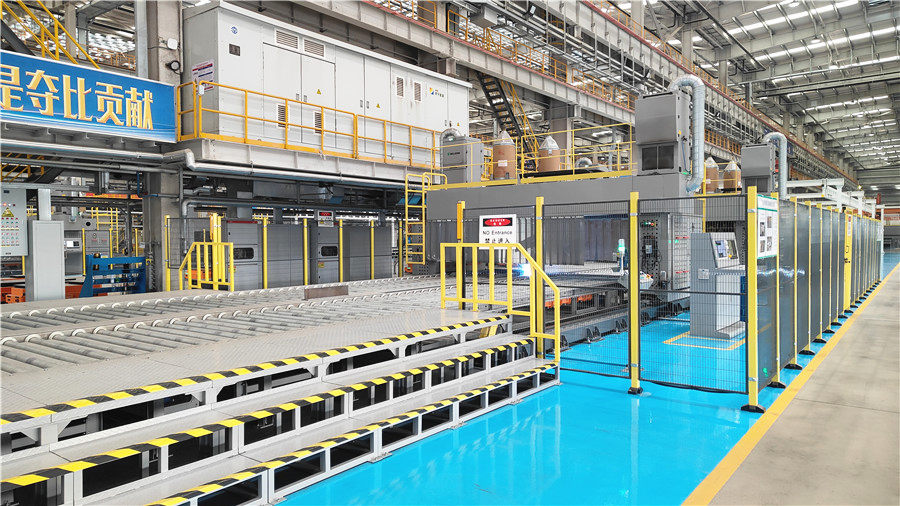
Submerged arc welding systems for stress-bearing frame beams.

Electrostatic powder coating & polyurethane anti-corrosive treatments.

Final torque and geometric checks on cargo components.
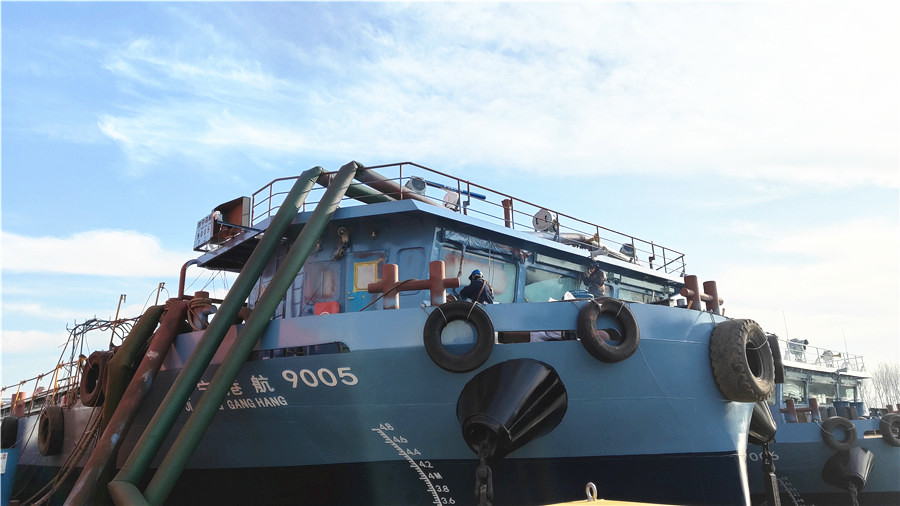
Merging electrical, pneumatic (SAE J844 lines), and mechanical systems into the finished trailer units.
To maintain high reliability over long routes, freight operations must use heavy-duty vehicles and components engineered to survive extreme thermal fluctuations, structural vibration, and chemical stress. Below is the design breakdown of core equipment assets handled within our supply chain:
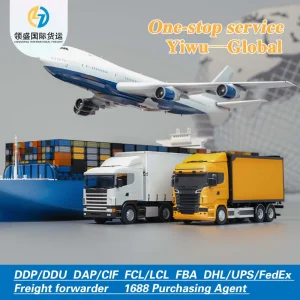
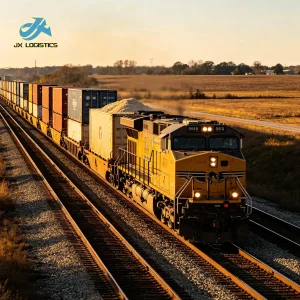
Cross-border trucking serves as a key alternative to maritime shipping and air freight, offering a balance of speed and cost. For lanes like China-Central Asia, China-Europe, and China-ASEAN, overland transport provides flexible shipping schedules without the port congestion associated with ocean freight.
We provide structured solutions that optimize routing, simplify customs procedures, and streamline loading steps:
Our FCL trucking solutions provide direct transport for high-volume orders. For smaller cargo, our LCL services pool goods into designated logistics hubs in Shenzhen, Yiwu, and Khorgos, optimizing space and reducing costs.
We manage the complete shipping process for complex destinations including Saudi Arabia, Mozambique, Croatia, Lithuania, and Kenya. By handling duty payments, terminal fees, and final-mile delivery, we reduce unexpected costs for importers.
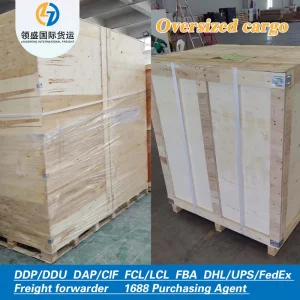
Transporting wind turbine blades, factory components, and rolling stock requires specialized planning. We deploy heavy-duty modular trailers, obtain multi-jurisdiction transport permits, and conduct route surveys to bypass low clearances.
Operating across international borders involves navigating varied customs regulations, environmental mandates, and security protocols. A single compliance error can lead to customs holds, storage fees, or cargo seizure.
Our compliance framework protects your shipments through structured operating procedures:
The logistics sector is shifting toward digital management and lower-emission transport systems. As shippers seek to reduce scope 3 emissions, new technologies are being integrated into vehicle manufacturing and shipping operations.
Over the next five years, key technological changes will shape cross-border logistics:
Enterprise procurement teams sourcing trailers, ISO tanks, and logistics services must perform thorough due diligence to verify supplier capability, safety compliance, and production quality.
Ensure suppliers hold ISO 9001, CE, and ASME U/UM stamps for steel fabrication. For safety systems like air brakes, verify compliance with SAE J844 and DOT standards.
Verify that transport operators carry comprehensive carrier liability insurance, third-party logistics coverage, and clear terms for transport delays or damage.
Partner with suppliers that provide digital milestone tracking, customs status updates, and transparent billing schedules to minimize unexpected costs.
Answers to common questions regarding equipment compliance, transit routing, and cross-border shipping procedures.
Explore our second selection of equipment, multi-modal transport options, and heavy cargo trailers designed for global procurement.
 LoJo Logistics