Top 10 Reasons Cross Border Cargo Transport Gets Stuck at Customs?

Time:2026-07-07 Author:Charlotte
0%

Cross-border cargo transport plays a vital role in global trade. However, delays are common at border customs. Many companies face challenges that can hinder the efficient movement of goods. Understanding why do cross-border cargo transports get gridlocked at border customs is crucial for businesses aiming to streamline operations.

Customs regulations can be complex and vary widely between countries. For example, documentation requirements differ significantly. Incomplete paperwork often leads to prolonged inspections. Moreover, there is a lack of clarity about tariffs and duties. Misinterpretations can cause shipments to stall.

Another critical factor is the human element. Customs officials may require additional information. Communication gaps can lead to confusion and delays. Technology can help here, but it is not foolproof. Some systems may fail or not integrate well. Ultimately, businesses must adapt to an ever-changing landscape. They need to learn from past mistakes to improve efficiency. By doing so, they can minimize the risk of becoming gridlocked at customs.
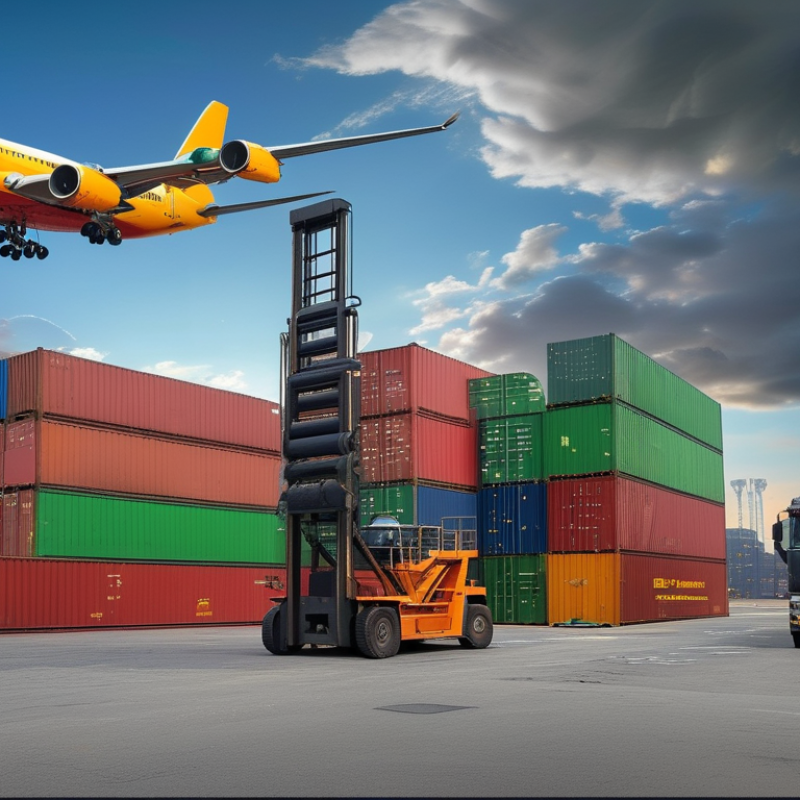
Top 10 Reasons Cross Border Cargo Transport Gets Stuck at Customs?

Reasons for Incomplete Documentation in Cross Border Cargo Transport

Incomplete documentation is a significant hurdle in cross-border cargo transport. A report from the World Customs Organization indicates that nearly 25% of shipments face delays due to missing or incorrect documents. These delays can cost companies thousands in penalties and lost sales. Common issues include mislabeling of items, missing invoices, and incorrect tariff classifications. It's crucial for businesses to pay attention to every detail.

To prevent documentation errors, companies should invest in training programs for their staff. This investment promotes a clear understanding of customs regulations. A focus on accuracy will ensure that all necessary paperwork is ready before shipments leave the origin. Remember, a single mistake can lead to prolonged inspections and increased costs.

One simple tip is to create a checklist of required documents for each type of shipment. This helps to ensure consistency and thoroughness. Additionally, companies can leverage digital tools that automate document verification processes. By doing so, they can reduce human error and streamline operations. Efficiency in documentation can significantly minimize the risk of customs delays.

Top 10 Reasons Cross Border Cargo Transport Gets Stuck at Customs

Inefficient Communication Between Customs and Transport Operators

Inefficient communication stands as a significant barrier in cross-border cargo transport. Data from the World Customs Organization indicates that up to 30% of delays occur due to poor information sharing. When customs officials lack crucial details about the cargo, it can lead to bottlenecks. Miscommunications can result in extended reviews and increased inspection rates. This not only frustrates transport operators but also adds costs.

Real-time tracking and communication tools can mitigate these issues. Investing in platforms that facilitate direct dialogue between customs and transport operators can streamline processes. This approach ensures that necessary documentation is ready and available when needed. Regular training for teams on effective communication protocols can also enhance clarity.

Tip: Always verify the document requirements before shipping. Ensure that you have the right paperwork ready. This helps in avoiding unexpected delays at customs. Remember, clarity is key. Enhanced communication protocols can significantly lower the chances of cargo getting stuck in transit. Keep terms simple and information precise.

Changes in Customs Regulations and Compliance Requirements

Navigating customs regulations can be daunting for cross-border cargo transport. Changes in compliance requirements occur frequently. These updates can impact the flow of goods. Even minor adjustments in paperwork can cause delays. Shippers must stay informed about these evolving rules.

Inconsistent documentation is a common issue. Some shippers might overlook specific details, leading to misunderstandings. A missing signature or an incorrect tariff classification can halt shipments. It’s vital to double-check all documents before submission. Attention to detail is crucial in this industry.

Moreover, lack of training can hinder compliance. Many staff members may not fully understand the latest customs regulations. This knowledge gap can lead to mistakes. Regular training sessions can enhance understanding and improve accuracy. Adopting a proactive approach to compliance can minimize delays at customs.

Delays Due to Inspections and Extended Clearance Procedures

Delays in cross-border cargo transport often stem from rigorous inspections and extended clearance procedures. Customs authorities may examine shipments thoroughly to ensure compliance with regulations. This can lead to significant hold-ups. Besides checking documentation, they may inspect physical goods for accuracy and safety. Clearances can vary based on the cargo type and country specifics.

Inspections can also result in additional paperwork. Missing or incorrect documentation can further complicate the process. Even minor discrepancies can lead to prolonged clearance times. Importers must stay attuned to the latest regulations. Understanding how customs operates is crucial for efficient transport.

Logistics companies often face challenges with unpredictable customs enforcement practices. Lack of transparency in procedures heightens frustrations. Clear communication between shippers and customs authorities is vital but often lacking. Reflecting on these inefficiencies can help the industry improve. Adapting to these realities is essential for successful cross-border trade.

Impact of Political and Economic Factors on Customs Processing Time

Cross-border cargo transport often faces delays at customs, heavily influenced by political and economic factors. According to a report by the World Bank, countries that experience political instability see a 25% increase in customs processing time. This instability can lead to inconsistent regulations, unexpected inspections, and longer clearance times. Traders must adapt to shifting policies that directly impact the efficiency of their shipments.

Economic conditions also play a vital role in customs processing. When economies are under strain, resources for customs operations may dwindle. A study from the International Trade Centre highlights that poor economic performance can reduce customs staff and training opportunities, prolonging the processing of cargo. Adaptability is crucial in these turbulent times, as delays can critically affect supply chains.

Tip: Regularly check customs regulations for each destination country. Understanding current laws can mitigate delays.

It's essential to stay updated on political news and economic indicators. This knowledge can help predict potential disruptions.

Tip: Build relationships with customs agents. Strong communication can lead to faster resolutions if issues arise.

Planning for delays is wise. Manage shipping schedules with buffer times for customs processing.

FAQS

: What causes delays in cross-border cargo transport?

: Poor communication between customs and transport operators accounts for up to 30% of delays.

How can real-time tracking help reduce delays?

It facilitates direct communication, ensuring necessary documentation is ready to prevent bottlenecks.

Why is training important for customs and transport teams?

Regular training enhances understanding and improves communication protocols, reducing potential miscommunications.

How do political factors influence customs processing times?

Political instability can lead to a 25% increase in processing times due to inconsistent regulations.

What impact do economic conditions have on customs operations?

Economic strain may reduce resources, leading to less staff and prolonged cargo processing.

What should traders do to adapt to changing customs regulations?

Stay updated on regulations and build strong relationships with customs agents for smoother resolutions.

How can planning buffer times help in logistics?

Managing schedules with extra time allows for potential customs delays, keeping shipments on track.

What is a crucial tip when preparing for shipping?

Verify document requirements before shipping to avoid unexpected customs delays.

How does clarity in communication enhance cargo transit?

Clear and simple communication reduces the chances of cargo getting stuck due to miscommunication.

Why is it important to check political news regularly?

Being aware of political changes can help predict disruptions that may affect customs processing times.

Conclusion

Cross-border cargo transports often face significant delays at border customs, leading many to wonder why do cross-border cargo transports get gridlocked at border customs. One primary reason is incomplete documentation, which can stem from misunderstanding international requirements or oversight during preparation. Additionally, inefficient communication between customs authorities and transport operators can exacerbate these delays, as critical information may not be exchanged promptly.

Changes in customs regulations and compliance requirements also contribute to hold-ups, as transporters must adapt to new laws and procedures. Moreover, inspections and extended clearance processes are commonplace, often causing significant waiting times. Lastly, political and economic factors can heavily influence customs processing times, adding an unpredictable layer to cross-border transportation logistics. Addressing these issues is crucial for enhancing the efficiency of global trade.

Charlotte

Charlotte

Charlotte is a seasoned marketing professional with a deep understanding of the company's portfolio and a passion for elevating its presence in the market. With a keen eye for detail and a commitment to excellence, she ensures that our professional blog is regularly updated with insightful articles......