How to Optimize Packaging to Reduce International Air Freight Weight?

Time:2026-07-12 Author:Sophia
0%

In today's global market, the efficiency of air freight is paramount. According to the International Air Transport Association (IATA), air freight accounts for around 35% of the value of goods traded internationally, despite only representing 1% of the volume. This stark contrast highlights the importance of optimizing logistics. One critical area that warrants attention is "how to optimize packaging to lower international air transport weight."

John Smith, a leading expert in supply chain management, emphasizes this by stating, "Efficient packaging can reduce shipping costs while maintaining product integrity." In a world where every gram counts, companies must prioritize lightweight packaging solutions. Advances in materials and design are indispensable in this journey. For instance, selecting biodegradable materials can simultaneously lower weight and promote sustainability, addressing both economic and environmental concerns.

However, not all strategies are perfect. Some companies may sacrifice product protection for weight reduction, leading to potential damage during transit. It's essential to balance various factors. As the industry evolves, constant reflection on packaging strategies will be crucial to improving shipping efficiency and meeting customer demands.
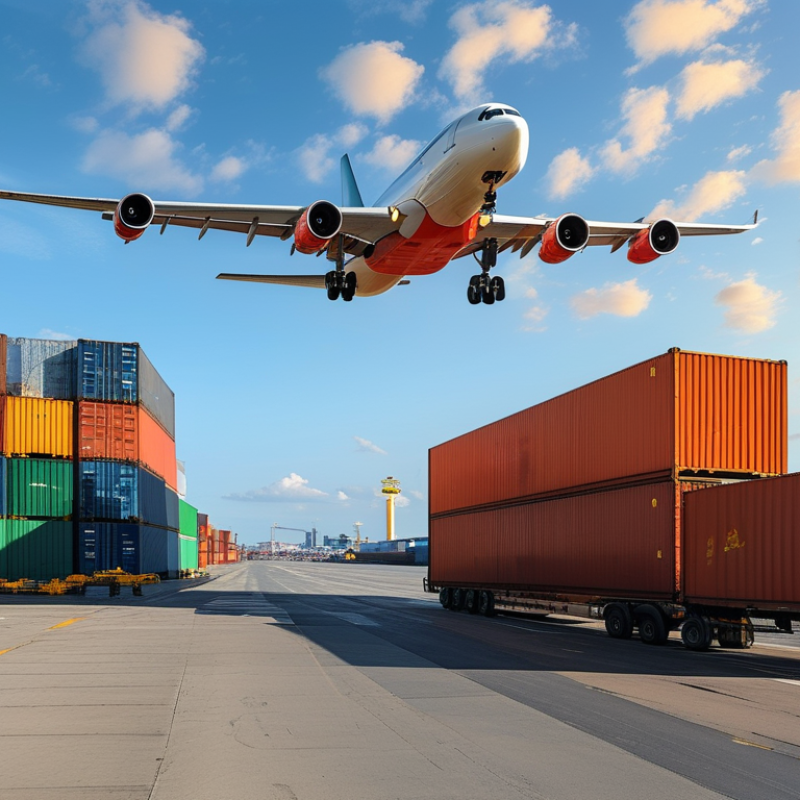
How to Optimize Packaging to Reduce International Air Freight Weight?

Understanding the Impact of Weight on International Air Freight Costs

Weight significantly impacts international air freight costs. Airlines charge based on actual weight or dimensional weight, whichever is higher. When packaging products, every ounce counts. Reducing weight can lead to substantial savings. Even small changes can make a difference. Choosing lighter materials is one way to decrease overall package weight.

Minimizing excess packaging is crucial. Aim for efficiency in your design. Streamlined packaging not only lowers weight but also optimizes space. Avoid unnecessary fillers or padding. Instead, use protective materials that are lightweight yet effective. Consider flat packaging to avoid bulk. The less space you occupy, the more cost-effective your shipping will be.

Another key factor is understanding the balance between packaging strength and weight. Strong, lightweight materials are essential. However, finding the right mix can be a challenge. Businesses sometimes overestimate their packaging needs, leading to wasted resources. Regularly reassess your packaging strategies. Reflection on past shipments can provide valuable insights for improvement. These adjustments can significantly impact your logistics costs in the long run.

How to Optimize Packaging to Reduce International Air Freight Weight? - Understanding the Impact of Weight on International Air Freight Costs

Packaging Type Weight (kg) Dimensional Weight (kg) Freight Cost per kg ($) Total Freight Cost ($)
Cardboard Box 10 12 5.00 60.00
Plastic Molded 8 9 6.00 54.00
Corrugated Pallet 15 16 4.50 72.00
Foam Case 9 10 7.00 70.00
Wooden Crate 20 22 5.50 110.00

Identifying Eco-Friendly Materials for Lightweight Packaging Solutions

Choosing eco-friendly materials for lightweight packaging is crucial in reducing air freight weight. Sustainable options help businesses meet environmental goals. Materials like recycled paper, biodegradable plastics, and biopolymers can significantly lower package weight. These materials are often as strong as traditional options. However, they may not always provide the same level of durability required for certain products.

Companies must also assess the impact of packaging design. Folding structures or minimalistic designs can save weight without compromising protection. It is essential to balance aesthetics with functionality. Some lightweight materials may not withstand rough handling. Businesses should conduct thorough testing to ensure reliability under different conditions.

Sourcing local materials is another strategy to optimize packaging. It reduces transportation weight and overall costs. Collaboration with local suppliers can foster innovation and creativity in packaging solutions. Yet, businesses must reflect on potential trade-offs in sourcing decisions. Finding the right balance between sustainability and practicality is challenging but necessary for creating effective packaging solutions.

Utilizing Advanced Packaging Technology to Minimize Weight

In today's global economy, air freight weight is a critical factor in logistics costs. Recent studies indicate that approximately 30% of air freight charges are associated with weight. Therefore, optimizing packaging can significantly reduce these expenses. Advanced packaging technology plays a vital role in minimizing weight while maintaining product safety. Lightweight materials, like corrugated cardboard and biodegradable plastics, demonstrate effective reduction in mass. These materials can save companies up to 40% on shipping costs, enhancing overall efficiency.

Moreover, the integration of smart technology in packaging design is transforming the landscape. Companies can now employ data analytics to optimize box dimensions. This practice reduces empty space, which often contributes to excess weight. Additionally, 3D printing technology allows for custom packaging solutions tailored to specific product shapes. A report from the International Air Transport Association (IATA) highlights that tailored packaging can lead to a 15% reduction in freight weight.

However, the shift toward lighter packaging must consider environmental impact. Some lightweight materials may not be fully recyclable, raising concerns among consumers and regulators. Striking a balance between cost efficiency and sustainability is crucial. Businesses should conduct a thorough analysis to choose materials that not only reduce weight but also comply with environmental standards. Engaging in sustainable practices could enhance brand reputation and attract eco-conscious consumers, leading to long-term benefits.

Implementing Efficient Design Strategies for Compact Packaging

Optimizing packaging design can significantly impact international air freight costs. According to the International Air Transport Association (IATA), air freight rates are based on chargeable weight, calculated as the greater of actual weight or volumetric weight. By utilizing compact packaging strategies, companies can minimize this chargeable weight.

Efficient design principles emphasize the use of lighter and smaller materials. This approach can lead to a reduction in freight costs by up to 30%. Using fully collapsible or stackable packaging can also enhance container efficiency. In a recent study, it was noted that companies adopting such designs saved an average of $1.5 million annually. However, challenges persist, such as increased damage rates with thinner materials. Balancing lightweight materials with durability requires continuous assessment.

Moreover, implementing advanced software tools for packaging design can streamline the process. By simulating various packaging solutions, companies can find a balance between weight and protection. However, data-driven decisions must account for potential trade-offs. A too-compact package might compromise product integrity during transit. Striking the right balance remains an ongoing challenge in packaging optimization.

Analyzing Industry Case Studies on Successful Weight Reduction Initiatives

Reducing the weight of packaging is critical for international air freight efficiency. Many industries have successfully tackled this challenge. For instance, one company analyzed its packaging design and revealed that simple design tweaks led to significant weight reductions. They replaced heavy materials with lighter alternatives without sacrificing product protection.

Another case involved a manufacturer who re-evaluated the dimensions of their packaging. By minimizing excess space, they achieved a tighter fit. This redesign not only saved weight but also improved shipping efficiency. The company reported reduced costs and increased cargo capacity per flight.

Yet, these case studies show that weight reduction is not always straightforward. Some companies faced resistance when changing traditional practices. Employees were initially hesitant about new methods. Adopting innovative materials also came with risks, such as potential supply chain disruptions. Reflecting on these experiences can help others in the industry learn valuable lessons about balancing efficiency and practicality.

FAQS

: How does weight affect international air freight costs?

: Weight significantly impacts costs. Airlines charge based on actual or dimensional weight. Reducing weight can lead to savings.

What are some ways to minimize packaging weight?

Use lighter materials and minimize excess packaging. Consider flat designs and avoid unnecessary fillers for efficiency.

Why is it important to balance packaging strength and weight?

Strong, lightweight materials are essential, but finding the right mix can be challenging. Overestimating needs leads to waste.

What eco-friendly materials can help reduce weight?

Recycled paper, biodegradable plastics, and biopolymers are effective. They lower weight but may lack durability in some cases.

How does packaging design impact weight?

Minimalistic designs save weight. However, aesthetics must not compromise protection. Test materials to ensure durability during transport.

What is an advantage of sourcing local packaging materials?

Local materials reduce transportation weight and costs. Collaboration with local suppliers can stimulate creativity, but trade-offs may arise.

How do advanced technologies contribute to weight reduction?

Technologies like data analytics and 3D printing help optimize packaging. Tailored packaging can reduce freight weight significantly.

Are there environmental concerns with lightweight packaging?

Yes, some lightweight materials may not be fully recyclable. Businesses must balance cost efficiency with sustainability considerations.

How can businesses improve their packaging strategies?

Regularly reassess past shipments for insights. Adjustments to packaging can lead to significant logistics cost reductions over time.

What role does testing play in packaging design?

Testing is crucial to ensure reliability under various conditions. Some lightweight materials may not withstand rough handling.

Conclusion

In the pursuit of reducing costs associated with international air freight, understanding how to optimize packaging to lower international air transport weight is crucial. The weight of packaging significantly influences transportation expenses, making it essential to explore eco-friendly materials that provide lightweight solutions without compromising product safety. By incorporating advanced packaging technology, businesses can create streamlined designs that minimize weight while maintaining structural integrity.

Additionally, employing efficient design strategies allows for compact packaging that maximizes space utilization during shipping. Analyzing industry case studies reveals various successful initiatives that demonstrate effective weight reduction, showcasing practical applications of these strategies. Adopting these methods not only enhances operational efficiency but also contributes to sustainability efforts within the logistics sector.

Sophia

Sophia

Sophia is a dedicated marketing professional with an exceptional depth of knowledge about her company's products and services. With a keen understanding of market trends and customer needs, she crafts insightful blog posts that not only inform but also engage readers, enriching the company’s online......