When considering international railway transport, one of the most crucial questions arises: what is the average delivery time for international railway transport? This inquiry is essential for businesses relying on timely shipments. Understanding estimated delivery times helps in planning logistics and meeting customer expectations.
Average delivery times can vary significantly based on several factors, such as distance, route efficiency, and border crossing procedures. Some routes may see faster delivery due to established connections, while others might face delays caused by customs or unforeseen circumstances. It’s vital to gather accurate data to make informed decisions.
While there are averages and benchmarks available, real-world experiences often vary. Many companies report challenges related to fluctuating schedules and unexpected delays. Thus, staying updated on conditions and regulations is essential. Knowing the average delivery time helps businesses set realistic goals and communicate effectively with clients.
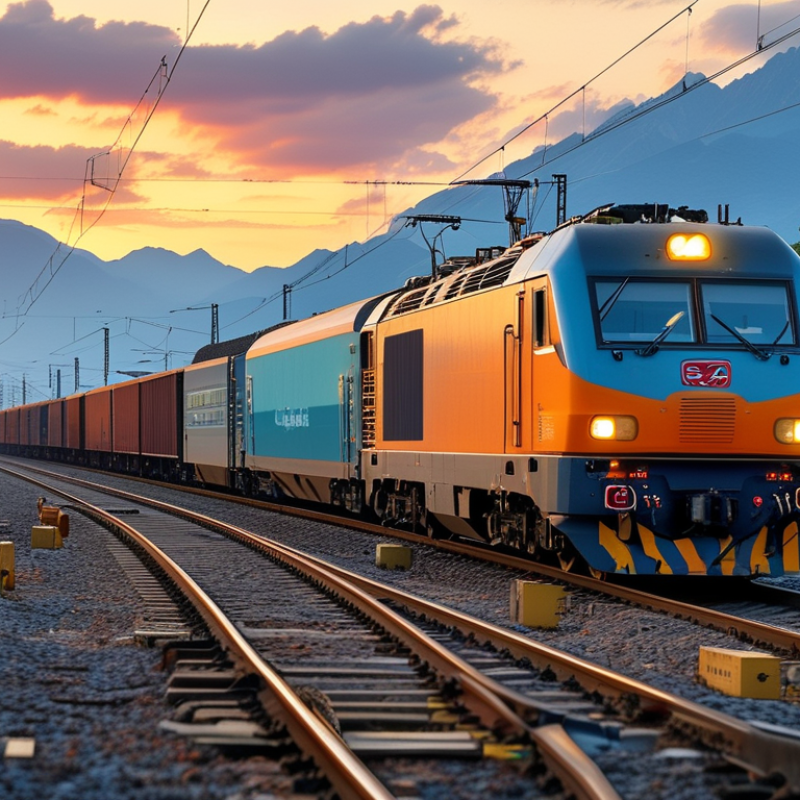
International railway transport has become increasingly vital in global trade. However, the average delivery time can vary significantly due to several key factors. Understanding these can help businesses optimize their logistics strategies.
One factor impacting delivery time is distance. Longer routes typically require more time, but this is just one piece of the puzzle. According to a 2021 report by the International Union of Railways, average delivery times for routes spanning Europe to Asia can take anywhere from 10 to 14 days. This variation often hinges on regional borders and customs processes. Delays at these points can create a ripple effect, extending the total transportation time.
Another critical element is seasonal variations. Weather conditions can impede train schedules and cargo handling procedures. During winter months, for instance, disruptions due to snow or rainfall can increase delays sustainably. A report from the International Railway Journal indicated that winter delays can extend transportation times by an additional 20% in affected regions. This underscores the need for businesses to account for such fluctuations in their delivery expectations.
Lastly, technology plays a role. Advanced tracking systems and real-time data analytics can enhance operational efficiency. However, not all services utilize these innovations fully, potentially leading to unexpected delays. Continuous improvement and investment in technology are imperative for meeting growing demands in international transport.
When examining delivery time in international railway transport, several key metrics come into play. These metrics help logistics professionals gauge performance and improve efficiency. Transit time is the primary measurement. It tracks how long cargo takes from origin to destination. Analyzing this data helps identify bottlenecks.
Another essential metric is dwell time. This refers to how long a shipment sits at a terminal. High dwell times often indicate supply chain inefficiencies. Monitoring dwell time can reveal areas needing improvement. Partnerships with local warehouses may enhance speed and reduce delays.
Tips: Regularly review your transit and dwell times. Set benchmarks based on historical data. Use real-time tracking tools to monitor shipments continuously. Don’t overlook stakeholder feedback, as it can highlight unseen delays. Evaluating these metrics could lead to significant operational enhancements.
This chart illustrates the average delivery time for international railway transport across various regions. The data is based on typical transit times in days.
When assessing international railway transport, collecting delivery time data is essential. Accurate data helps organizations optimize their logistics and improve customer satisfaction. Various methods can be employed to gather this information effectively.
Utilizing tracking software is one of the most common approaches. Many rail operators provide platforms that offer real-time updates on shipment statuses. A report by the International Union of Railways indicates that efficient tracking can reduce average delivery time estimates by up to 30%. However, discrepancies can occur due to external factors like weather and border delays.
Surveys and direct feedback from customers also play a vital role. Asking clients about their experiences can provide insights into expected delivery times. According to a report from Logistics Management, about 60% of logistics managers prioritize this data for better decision-making. However, reliance solely on customer feedback may not reflect the broader trends. Continuous improvement is necessary for accurate forecasting in an ever-evolving transport landscape.
To establish an average delivery time for international railway transport, analyzing historical data is crucial. Historical records provide insights into transit durations across different routes. By assessing past performance, stakeholders can better predict future timelines. Tracking variables like distance, customs delays, and seasonal disruptions is essential.
When reviewing historical data, look for patterns. Identify which routes are most reliable. Consider seasonal variations that affect transit times. This analysis helps in creating a more accurate average delivery time. Data inaccuracies can lead to poor planning. Reflecting on past discrepancies helps in adjusting current expectations.
**Tips:** Focus on collecting data from multiple sources. Be cautious of outliers that skew results. Regularly update your historical database to incorporate the latest trends and changes in logistics. These steps can enhance reliability in your average delivery time calculations.
| Origin | Destination | Average Delivery Time (Days) | Variability (± Days) | Number of Shipments |
|---|---|---|---|---|
| Berlin, Germany | Shanghai, China | 20 | 3 | 150 |
| Moscow, Russia | Kyiv, Ukraine | 14 | 2 | 200 |
| Paris, France | Madrid, Spain | 7 | 1 | 300 |
| Lisbon, Portugal | Berlin, Germany | 16 | 2.5 | 120 |
| Vienna, Austria | Prague, Czech Republic | 10 | 1 | 170 |
International railway transport is a vital link in the global supply chain. Improving delivery time requires effective strategies. One approach is to streamline logistics through better coordination between different railway operators. Enhanced communication tools can connect stakeholders in real-time. This ensures that shipments are monitored closely, allowing for quicker adjustments when delays occur.
Another strategy involves investing in infrastructure upgrades. Modernizing tracks and signals increases efficiency and reduces transit times. Advanced technology such as GPS tracking also plays a role. It provides precise information about shipment locations, enabling proactive measures to be taken. However, not all railway systems have the same level of infrastructure. This variation can pose challenges for consistency.
Training personnel is equally essential. Skilled workers can diagnose issues swiftly and implement solutions. Continuous professional development promotes a culture of improvement within the industry. While these strategies show promise, they also present hurdles. Funding for upgrades may be limited, and coordination between countries can be complex. Reflecting on these factors is crucial for ongoing progress.
: Transit time tracks how long cargo takes from origin to destination.
Dwell time indicates how long a shipment sits at a terminal, revealing supply chain inefficiencies.
Regularly review transit and dwell times, and set benchmarks based on historical data.
Real-time tracking tools are crucial for continuously monitoring shipment statuses.
Customer feedback provides insights but may not capture broader trends in delivery time.
Utilizing tracking software from rail operators provides real-time updates on shipments.
Working with local warehouses can speed up the process and reduce delays in shipments.
Weather conditions and border delays can cause discrepancies in delivery time estimates.
The transport landscape is always changing, requiring ongoing adjustments for accurate forecasting.
About 60% of logistics managers consider customer feedback vital for decision-making.
Determining the average delivery time for international railway transport involves analyzing various factors that can affect transit times, such as geopolitical conditions, infrastructure quality, and logistical challenges. Key metrics, including average speed and on-time performance, are crucial for measuring delivery time in railway logistics. Collecting accurate delivery time data for international shipments is essential, and this can be achieved through both direct tracking methods and historical performance analysis.
To establish what is the average delivery time for international railway transport, a thorough examination of historical data is needed, highlighting trends and variations in delivery times across different routes. Furthermore, implementing strategies such as optimizing schedules, enhancing coordination among logistics partners, and utilizing advanced tracking technologies can significantly improve overall delivery times. By focusing on these aspects, stakeholders can effectively manage and enhance performance in international railway transport.

LoJo Logistics